







EBOOK IN LINGUA STRANIERA





Belief in Evidence in the Nineteenth-Century Novel

80,38 €
+800
punti 
Prezzo minimo ultimi 30 giorni: 78,82 €
Venditore: Feltrinelli

Acquista online
Scaricabile subito
Articolo acquistabile con Carta del Docente

Articolo acquistabile con Carta Cultura Giovani e Carta del Merito

Articolo acquistabile con Carta della Cultura

Dati e Statistiche
 Salvato in 0 liste dei desideri
Salvato in 0 liste dei desideri
Belief in Evidence in the Nineteenth-Century Novel
Scaricabile subito
80,38 €
80,38 €
Scaricabile subito
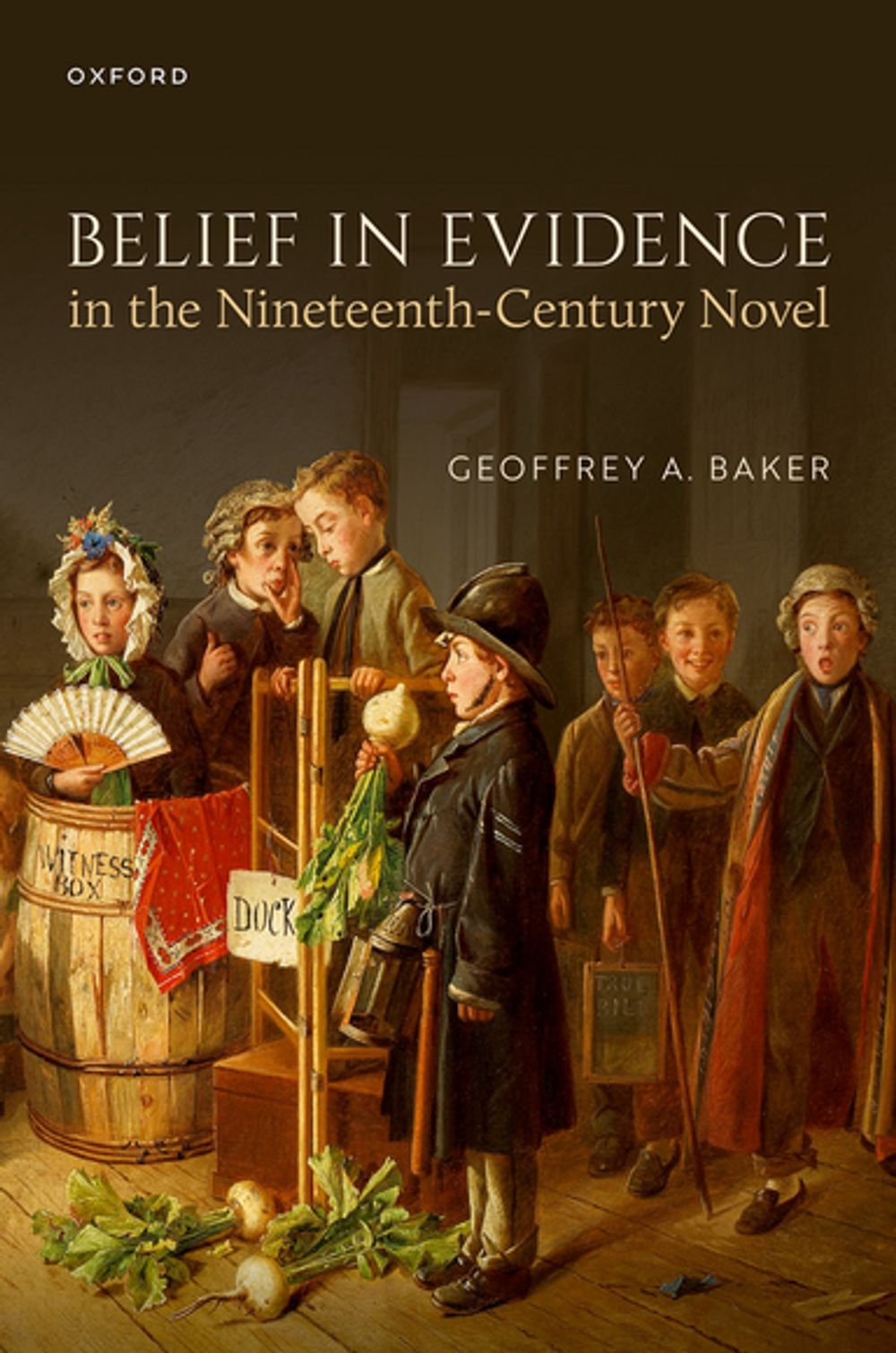


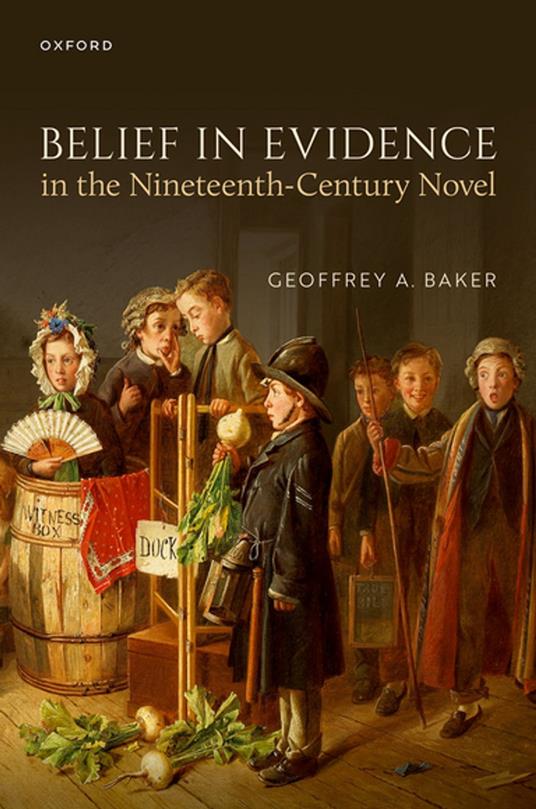
What makes us believe anything told to us by another person? How does this work in scenes of judgment where we operate almost exclusively with report from others, like a trial by jury? Thomas Reid declared in 1785 that 'we give the name of evidence to whatever is a ground of belief', and such defining formulations both echo and were echoed by seminal writings on the law of evidence. The ideas of belief and evidence have depended upon each other for a very long time. Belief in Evidence traces the relationship between these terms as they expressed themselves in British evidence-thinking and in nineteenth-century novels that explicitly engaged the problem of when and whom to believe, and on what evidentiary grounds. In his foundational Essay concerning Human Understanding (1690), John Locke foregrounded the problem of forming judgments about things we have not experienced ourselves but only heard from others. His ideas provided a foundation for the first systematic treatise of English evidence law, Geoffrey Gilbert's The Law of Evidence (1754). Locke's anecdote of the 'King of Siam'--which illustrated how we weigh probabilities in determining what to believe--found itself repeated with astonishing frequency over the next two centuries wherever legal scholars aimed to illustrate the problem of belief in evidence. This period should be understood as a sort of Age of Evidence, during which evidence-thinking and evidence law became solidified in disciplinary terms, and dispersed well beyond the legal profession. Both following and complicating legal notions of evidence and belief, the novel in England in the era of literary realism addressed many of the same mediating factors delineated by Locke and the law of evidence: the age and experience of the persons called upon to believe; the perceived character of witnesses and defendants; the number of witnesses; and how the experience that shapes us is conditioned by place and identity. Staging complex scenes of judgment, authors like Mary Shelley, Jane Austen, Elizabeth Gaskell, George Eliot, Wilkie Collins, and Anthony Trollope all confronted the problem of belief in evidence, which became central to their models of realistic representation.
-
Autore:
-
Anno edizione:2025
-
Editore:
-
Formato:
-
Lingua:Inglese
Compatibilità:
Tutti i dispositivi (eccetto Kindle) Scopri di più
Layout:
Reflowable
EAN:
9780198944393

Formato:
Gli eBook venduti da Feltrinelli.it sono in formato ePub e possono essere protetti da Adobe DRM. In caso di download di un file protetto da DRM si otterrà un file in formato .acs, (Adobe Content Server Message), che dovrà essere aperto tramite Adobe Digital Editions e autorizzato tramite un account Adobe, prima di poter essere letto su pc o trasferito su dispositivi compatibili.
Cloud:
Gli eBook venduti da Feltrinelli.it sono sincronizzati automaticamente su tutti i client di lettura Kobo successivamente all’acquisto. Grazie al Cloud Kobo i progressi di lettura, le note, le evidenziazioni vengono salvati e sincronizzati automaticamente su tutti i dispositivi e le APP di lettura Kobo utilizzati per la lettura.
Clicca qui per sapere come scaricare gli ebook utilizzando un pc con sistema operativo Windows
